Insurance Mobile Apps: How to Avoid the Steering Trap
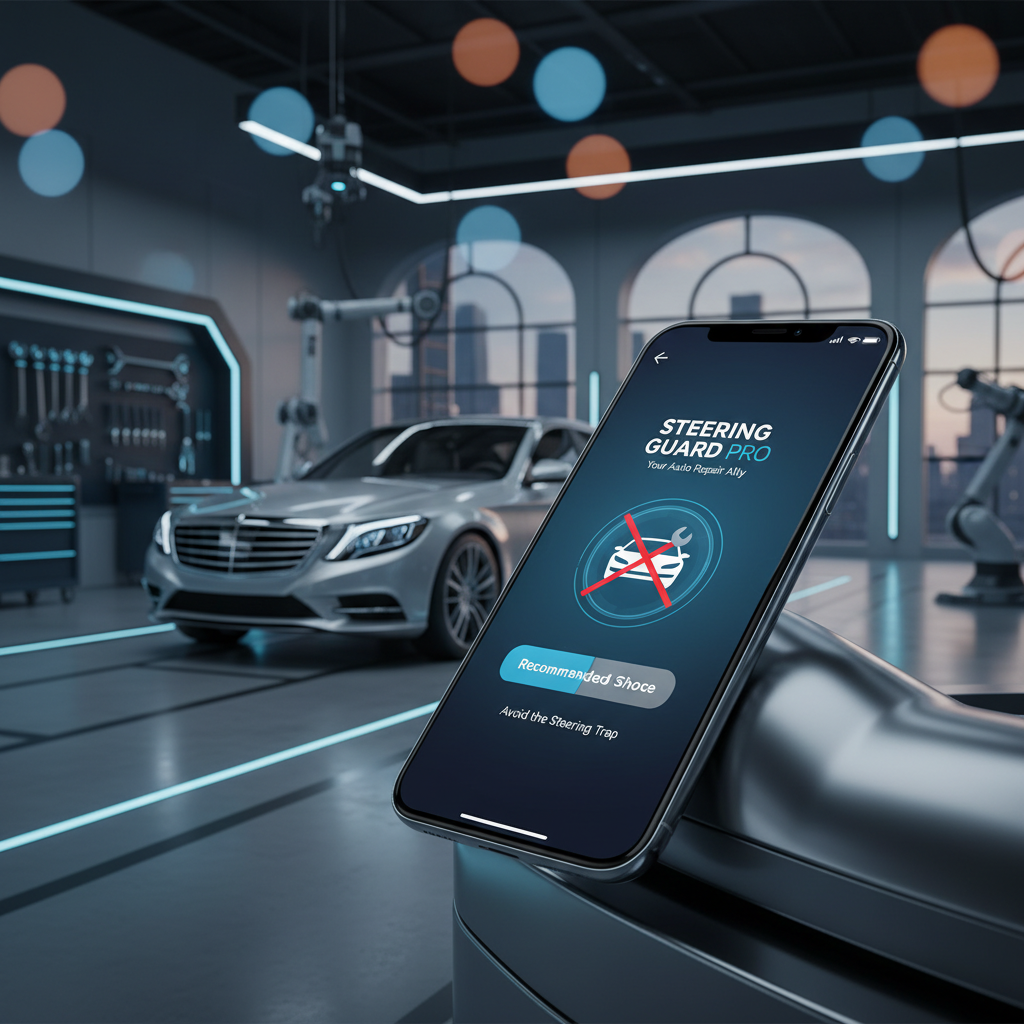
Your Legal Right to Choose an Independent Repair Facility
You just walked out to the parking lot and found your fender crumpled. Your heart sinks, your adrenaline spikes, and within seconds, you’re staring at your smartphone. The first thing most people do is open their provider's interface, wondering how do insurance mobile apps estimate car damage and if they can just get this nightmare over with. But before you upload a single photo, you need to understand one fundamental truth: you are the boss of your repair, not the insurance company.
In almost every state across the country, anti-steering laws exist to protect you. These regulations explicitly state that can I choose my own repair shop for insurance claims is a question with a resounding "Yes." The insurance company is legally obligated to pay for the restoration of your vehicle to its pre-accident condition, regardless of whether you use their recommended facility or an independent specialist you trust. However, the rise of insurance mobile apps has created a digital loophole where these rights are often obscured by "convenience-first" messaging.
The Illusion of Choice in a Digital World
When you use an app, you aren’t just filing a claim; you’re entering a guided sales funnel. The app is designed to make the path of least resistance lead directly to a "Preferred Provider." Why? Because those shops have pre-negotiated contracts that prioritize the insurer's bottom line over your car’s longevity. By asserting your right to an independent shop early, you bypass the insurance steering tactics that begin the moment you click "Start Claim." Remember, your insurance policy is a contract for financial indemnity, not a mandate on where you must spend that indemnity.
"The most expensive repair you’ll ever pay for is the one that has to be done twice because the first shop was more worried about the insurer's budget than your safety."
Understanding your rights is the first step toward avoiding the collision repair trap. If an adjuster or an app notification implies that you "must" use a certain shop to guarantee a fast payment, they are dancing on the edge of legal boundaries. Stand your ground. Your vehicle is likely your second-largest investment; don't let an algorithm decide who gets to take a torch to it.
Insurance Mobile Apps: The Hidden Cost of Claim Convenience
We live in an era of "instant," and insurance companies know it. They market their insurance mobile apps as a way to skip the wait, avoid the adjuster visit, and get a check in your hand within hours. It sounds like a dream, but for many vehicle owners especially those with modern safety features it quickly turns into a financial and structural nightmare. The hidden cost of this convenience is often a massive underestimation of the actual damage.
When you ask how do insurance mobile apps estimate car damage, the answer is usually through AI-driven photo analysis. You take six photos, the AI compares them to a database of millions of other accidents, and it spits out a number. The problem? AI cannot see through metal. It cannot detect a hairline crack in a sensor bracket, a slightly tweaked frame rail, or a compromised suspension component hidden behind a plastic bumper cover. This leads to what I call the "Surface-Level Settlement," where you accept a check for $1,200 for what is actually a $5,000 repair.
The 3-D Appraisal Gap Framework
To understand the risk, consider my 3-D Appraisal Gap framework, which illustrates the difference between digital and physical inspections:
- The Digital Layer: What the app sees (scratches, dents, broken lights).
- The Physical Layer: What a technician sees during a teardown (bent supports, broken clips, hidden fluid leaks).
- The Technical Layer: What a diagnostic scan sees (faulty ADAS sensors, communication errors in the vehicle’s brain).
By relying on insurance mobile apps for the initial estimate, you are essentially agreeing to a 1D solution for a 3D problem. This often forces the body shop to fight for "supplements" later, which can delay your repair far longer than a traditional in-person adjustment would have. The "fast" check you get today often results in a slow, frustrating repair process tomorrow when the shop discovers the app missed 60% of the damage.
Why Insurance Mobile Apps Often Trigger the Steering Trap
The term insurance steering sounds like something that happens in a backroom meeting, but in 2025, it’s happening right in the palm of your hand. Insurance mobile apps are the ultimate steering tools because they use "dark patterns" user interface designs intended to manipulate you into making a specific choice. When the app asks you to "Find a Shop Near You," it doesn't show you the highest-rated shops on Google; it shows you the shops that have agreed to the insurer's strict cost-cutting mandates.
These "Direct Repair Program" (DRP) shops are essentially extensions of the insurance company. In exchange for a steady stream of customers sent via the app, these shops agree to lower labor rates and, more importantly, they agree to follow the insurer's guidelines on repair methods. This often means using OEM parts is discouraged in favor of cheaper, non-certified alternatives. The app makes this seem like the "standard" way to do things, effectively steering you away from independent experts who would advocate for your car's integrity.
How the Digital Nudge Works
The steering isn't always blunt; it’s a series of subtle nudges designed to make independent shops feel like a "risk":
- The "Priority" Badge: Preferred shops get a gold star or a "verified" checkmark in the app, implying they are better, when they are simply cheaper for the insurer.
- The Payment Delay Warning: The app may state that payments to independent shops "take longer to process," creating artificial anxiety.
- The Streamlined Integration: The app makes it one-click easy to send your info to a DRP shop, while making you manually enter data for an independent one.
This is a calculated business move. By controlling the collision repair through an app-driven ecosystem, insurers can reduce their average claim payout by hundreds, if not thousands, of dollars per vehicle. For the consumer, this means your car is being repaired by the lowest bidder, not the most qualified craftsman. If you find yourself wondering, "can I choose my own repair shop for insurance claims even if the app doesn't list them?" the answer is always yes but the app will never make that easy for you.
Insurance Mobile Apps for Luxury Vehicles: 4 Critical Risks
If you drive a Lexus, BMW, Mercedes-Benz, or Jaguar, the stakes of using insurance mobile apps are significantly higher. These aren't just cars; they are high-performance computers on wheels. A generic repair approach that might suffice for a 2010 economy sedan can be catastrophic for a modern luxury vehicle. The precision required for these brands is often entirely ignored by the broad-stroke algorithms used in mobile app estimates.
Luxury vehicles are engineered with specific tolerances and materials like ultra-high-strength steel and aluminum that require specialized equipment to repair. When an app-based estimate is generated, it rarely accounts for the brand-specific procedures required by the manufacturer. This creates a massive disconnect between the "app price" and the "safe repair price." For a luxury owner, the insurance steering toward a high-volume network shop can lead to a car that looks fine on the outside but is fundamentally compromised under the hood.
The 4 Critical Risks for Premium Vehicles
- Diminished Resale Value: Luxury buyers demand perfection. If your repair history shows non-OEM parts or a shop that isn't brand-certified, your resale value will plummet.
- Material Mismanagement: Many luxury cars use structural adhesives and specialized welding. A general shop might use traditional methods that weaken the vehicle's frame.
- Electronic Complexity: Modern luxury cars have hundreds of modules. A simple bumper tap can knock a $2,000 radar sensor out of alignment, something a photo-based app will never catch.
- The "Fit and Finish" Failure: Precision body gaps are a hallmark of premium brands. Network shops under pressure to meet insurer timelines often deliver "good enough" work that leaves your car looking like a patchwork quilt to the trained eye.
Why ADAS Calibration and Safety Systems Require Specialists
Perhaps the most dangerous risk involves your Advanced Driver Assistance Systems (ADAS). Features like lane-keep assist, automatic emergency braking, and adaptive cruise control rely on cameras and sensors that must be calibrated to within a fraction of a millimeter. When you use how do insurance mobile apps estimate car damage as your primary diagnostic tool, ADAS is almost always overlooked. A network shop might replace the bumper and clear the dashboard lights, but without a specialized calibration in a controlled environment, your safety systems may fail to engage—or worse, engage at the wrong time. For luxury vehicles, these systems are proprietary and often require factory-level software that only independent specialists or dealers possess.
The Truth About “No Warranty” Threats from Insurance Adjusters
One of the most common and effective insurance steering tactics is the "Warranty Threat." It usually sounds like this: "If you go to an independent shop, we can’t guarantee the work, and there will be no warranty on the repair." To a stressed consumer, this sounds terrifying. It implies that if the paint peels or the door doesn't close right, you’re on your own. But this is a complete misrepresentation of how collision repair warranties actually work.
Here is the reality: Insurance companies do not fix cars. They are financial institutions. Therefore, they cannot "warranty" a repair they didn't perform. When an insurer says they warranty the work at a preferred shop, all they are saying is that they have a contract with that shop to fix any mistakes. However, any reputable independent repair facility will provide their own written warranty often a lifetime warranty that is just as strong, if not stronger, than the insurer's "guarantee."
Deconstructing the Warranty Myth
When you choose an independent shop, your warranty comes from the people who actually held the tools. This is often preferable because:
- Direct Accountability: You have a direct relationship with the shop owner, not a faceless corporate entity.
- Quality Standards: Independent shops rely on word-of-mouth and reputation, giving them a higher incentive to get the repair right the first time.
- Legal Protection: In most jurisdictions, shops are legally required to stand behind their work.
Don't let the fear of a "missing warranty" push you into using a shop you don't trust. If an adjuster uses this tactic, simply ask them: "Are you saying that your company is a licensed auto repair facility?" When they say no, follow up with: "Then I will rely on the lifetime warranty provided by the specialist I’ve chosen." This usually ends the intimidation tactic immediately.
Insurance Mobile Apps: Will They Sacrifice Your OEM Parts?
The battle over OEM parts (Original Equipment Manufacturer) is where the rubber truly meets the road in insurance claims. Your car was built with parts designed specifically for it. However, insurance mobile apps are often programmed to default to the cheapest part available. This usually means "Aftermarket," "Optional OEM," or "Remanufactured" parts. While the app might call these "Like Kind and Quality" (LKQ), they are rarely equal to the parts that came off the assembly line.
Why does this matter? Fit, finish, and crashworthiness. An aftermarket hood might look the same, but does it crumple the same way in a secondary accident? An aftermarket bumper might fit, but does it have the same mounting points for your safety sensors? When you submit a claim through an app, the initial estimate is almost guaranteed to be written with non-OEM parts to save the insurer money. If you aren't vigilant, those parts will end up on your car, permanently reducing its value and potentially its safety.
The "Part-Type" Hierarchy in App Estimates
When reviewing an estimate generated by insurance mobile apps, look for these codes:
- OEM: The gold standard. Parts made by your vehicle's manufacturer.
- A/M (Aftermarket): Parts made by a third party. Often cheaper materials and looser tolerances.
- LKQ / Recycled: Used parts from a salvage yard. You don't know the history of these components.
- CAPA Certified: Aftermarket parts that have met certain standards, but still aren't original equipment.
If you drive a newer vehicle or a luxury model, you should insist on OEM parts. Many insurance policies have an "OEM endorsement" you can pay for, but even without it, an independent shop can often fight for the right parts by proving that an aftermarket alternative will not restore the car to its pre-loss condition. The app won't fight that battle for you only a dedicated repair advocate will.
When to Use Insurance Mobile Apps (And When to Avoid Them)
Despite the risks, insurance mobile apps aren't inherently evil. They are tools, and like any tool, they have a specific use case. The key is knowing when the tool is helping you and when it’s being used against you. There is a "Convenience-to-Complexity" ratio that every driver should consider before hitting "Submit" on an app-based claim.
If you are driving a 15-year-old vehicle with 200,000 miles and you just had a minor "parking lot kiss" that resulted in a scuffed plastic bumper, the app might be your best friend. In this scenario, the car's value is low, the technology is simple, and a quick check to cover a DIY buff-out or a cheap replacement is a win. You get paid quickly, and the stakes are minimal. But as the vehicle gets newer and the damage gets deeper, the app becomes a liability.
The "Go/No-Go" Checklist for Mobile Claims
Before you use an app to estimate your collision repair, ask yourself these three questions:
- Is the vehicle less than 6 years old? If yes, avoid the app. The tech is too complex for photo-based AI.
- Is there any chance of structural or sensor damage? If the impact was more than 5 mph, there is likely hidden damage the app will miss.
- Is it a premium brand? If you're driving a BMW, Audi, or Lexus, the app's "one size fits all" logic will fail your car's engineering requirements.
In short: Use the app for documentation (taking photos for the record) but think twice before using it for the valuation of your claim. You can always upload photos to start the file but tell the adjuster, "I will be taking the car to an independent specialist for a full teardown and a supplement before I accept a final settlement." This gives you the speed of the digital start with the protection of a physical expert.
5 Questions to Ask Your Adjuster to Protect Your Car’s Value
Knowledge is your best defense against insurance steering. When you move the conversation from the app to a real human adjuster, you need to be prepared. Most people are passive during this process, accepting whatever the adjuster says as gospel. By asking these five targeted questions, you signal that you are an informed consumer who knows their rights regarding collision repair and vehicle safety.
These questions are designed to move the focus away from "how fast can we close this?" to "how correctly can we fix this?" If an adjuster becomes evasive or pushy when asked these questions, it’s a red flag that they are prioritizing their internal metrics over your vehicle’s integrity.
The "Value-Protector" Questionnaire
- "Will this estimate include a pre- and post-repair diagnostic scan of all vehicle modules?" (Essential for any car made after 2015 to ensure electronic safety systems are functional).
- "Can you provide the specific state statute that gives me the right to choose my own repair facility?" (This lets them know you know the law).
- "If I use an independent shop, will you commit to paying the prevailing labor rate for my specific vehicle's class?" (Luxury cars often require higher labor rates than economy cars).
- "How does this photo-based estimate account for potential hidden damage to the impact bar or cooling system?" (Forces them to acknowledge the limitations of how do insurance mobile apps estimate car damage).
- "Are you prepared to cover the cost of ADAS calibration at a manufacturer-certified facility if my chosen shop requires it?"
Your Next Move: Don't let a 6-inch screen dictate the future safety and value of your vehicle. If you’ve been in an accident, your first call shouldn't be to a computer it should be to a trusted, independent collision expert. Take a breath, put the phone down, and remember: it's your car, your claim, and your choice. Assert your rights today and ensure your car is returned to you in the condition you deserve.
Stop Insurance Steering: Protect Your Car in Beaufort County
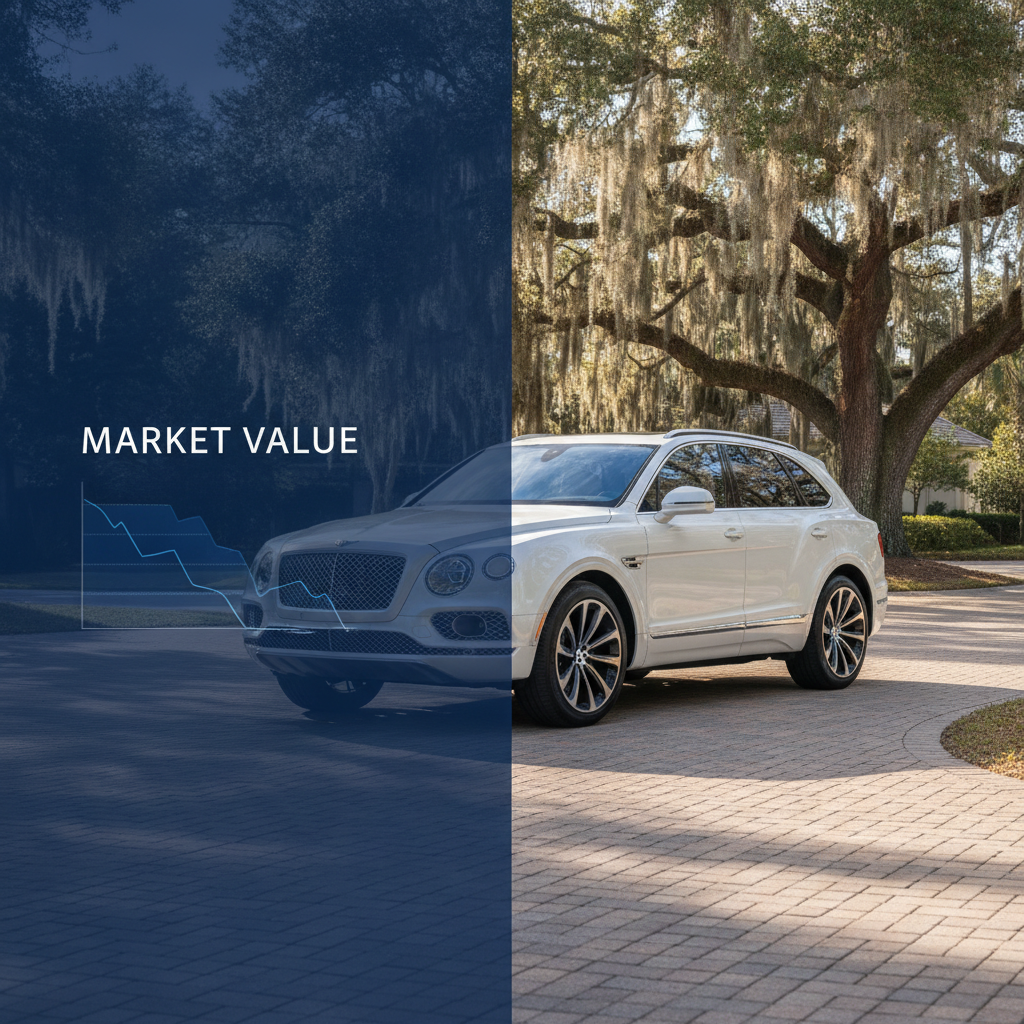
Hilton Head Diminished Value Claims: 2026 Expert Guide
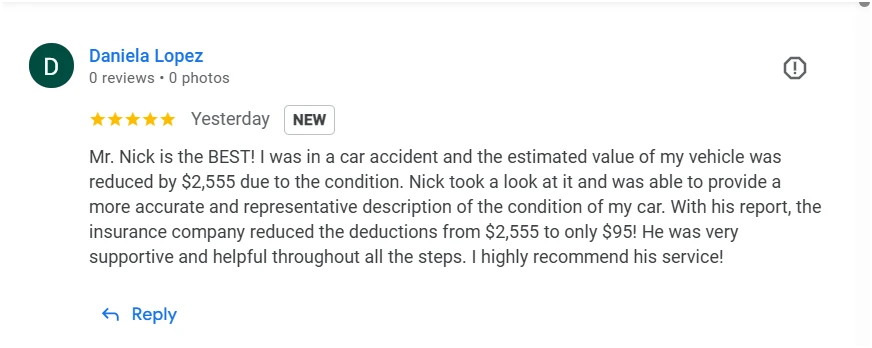
ACV Dispute: How Beaufort County Auto Appraisal Recovered $8,350 for a Bluffton Client